Tottenville Mosquito & Tick Control
All-natural seasonal mosquito and tick control for Tottenville yards—focused on the shaded edges, landscaping, patios, pools, pet routes, fence lines and outdoor spaces your family actually uses.
Why Tottenville Yards Can Have Mosquito & Tick Pressure
At Staten Island's southwestern end, Tottenville combines established residential yards with shoreline influence, wooded pockets and routes that connect toward the South Shore west side.
Coastal humidity and breeze patterns can change where mosquitoes rest, making protected shrubs, fence lines and shaded pockets especially important. Low-lying or moisture-holding areas can stay damp after rain, while thick vegetation can remain cool and protected during hot weather. Wooded pockets, mature trees and shaded property borders can hold moisture and create protected habitat around the edges of the usable yard.
Tottenville is the southernmost neighborhood in New York State, and its shoreline on the Arthur Kill gives it a mosquito pattern the rest of the island does not have. The tidal marshes near Conference House Park breed salt-marsh mosquitoes that ride evening breezes inland along Main Street, Amboy Road and the blocks around the Tottenville train station, so biting pressure often spikes at dusk even in yards that are well kept.
Conference House Park's woods and the tree canopy over Tottenville's older homes also support steady tick activity, especially where yards meet the park or the undeveloped lots near the water. We focus Tottenville treatments on shaded fence lines, ground cover and the damp edges near bulkheads and drainage swales, and we time visits so coverage is fresh ahead of warm, humid stretches when marsh mosquitoes are most active.
Bite Back serves homes across Tottenville, including the 10307 ZIP code. If your address is in 10307, your home is on our regular Staten Island service route. Request an instant quote and we will confirm the next available visit for your street.
We Treat the Places Pests Actually Use
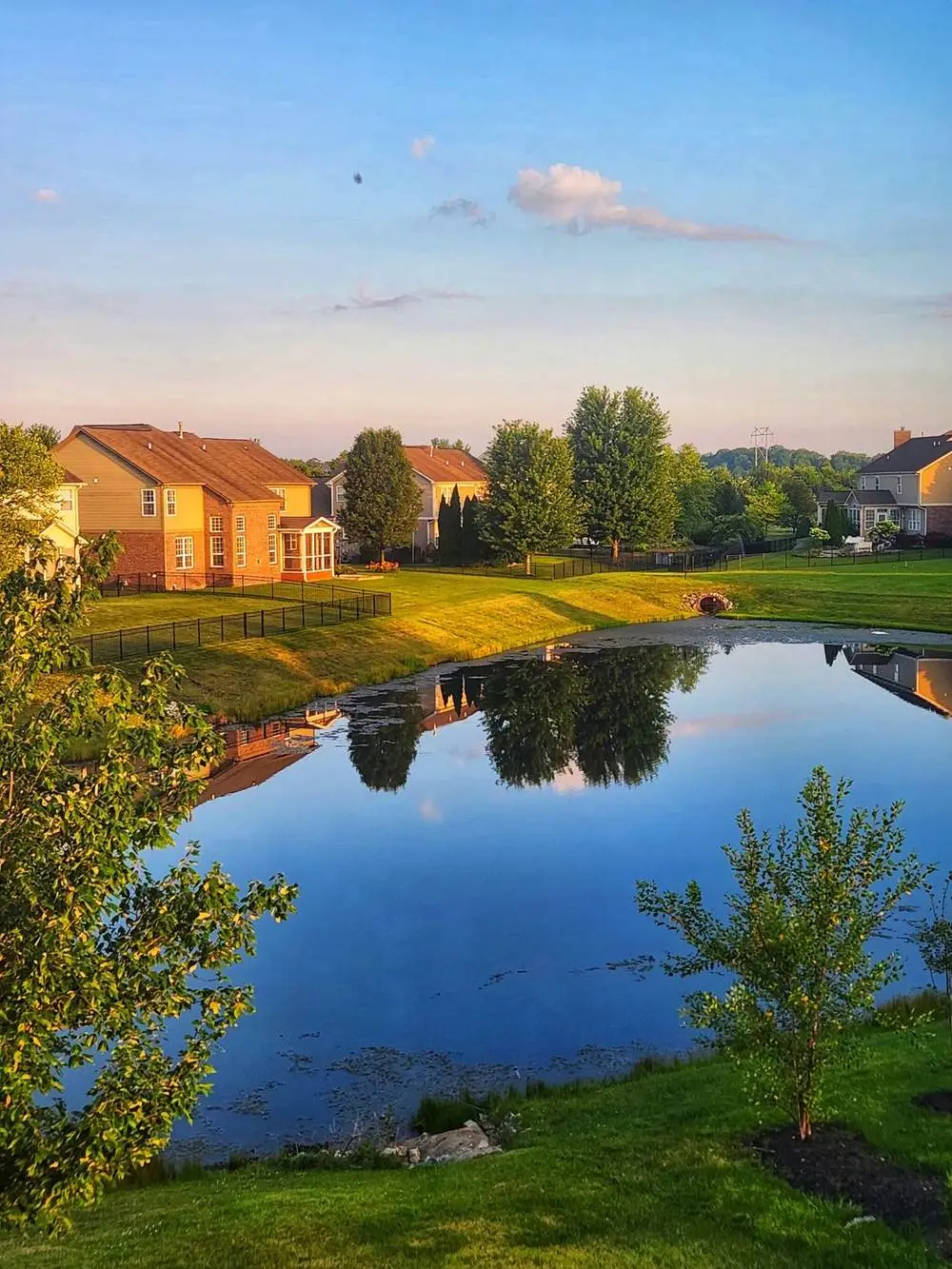
- Shaded shrubs and foundation landscaping
- Fence lines, brush and wooded borders
- Under decks, steps and sheltered structures
- Pet paths, play areas, patios and pool zones
- Leaf litter, groundcover and damp edges
- Standing-water risks found during service
Mosquito Control + Tick Control in Tottenville
Most Staten Island yards have overlapping mosquito and tick habitat. Bite Back addresses both on the same seasonal visit instead of treating them as unrelated problems.
Mosquito Control
Warm humid stretches can sustain mosquito pressure even when a yard itself has little obvious standing water. Mosquito pressure can rebuild quickly after rain when water collects in containers, drains, gutters, covers or other small pockets. Mosquitoes frequently rest on the underside of foliage and in cool shaded vegetation during the day.
We focus on cool, shaded resting areas and inspect for standing-water risks that can allow populations to rebuild between treatments.
Learn about Staten Island mosquito control →Tick Control
Tick pressure is usually more tied to vegetation, wildlife movement and shaded edges than to the shoreline itself. Damp shaded edges and brush can also support tick habitat where wildlife or pets travel. Leaf litter, brush, wood lines and wildlife travel corridors are priority zones for tick-focused treatment.
Treatment prioritizes the transition zones where lawns meet vegetation, brush, leaf litter, fences, woods and the routes used by pets or wildlife.
Learn about Staten Island tick control →A Better Seasonal Process for Tottenville Homes
Start with the yard
We look at shade, vegetation, property borders, outdoor-use areas, drainage and tick and mosquito activity—not just the neighborhood name.
Target hot zones
Applications focus on the places mosquitoes rest and ticks travel instead of soaking the center of open lawn.
Stay on schedule
Seasonal service is normally routed about every 21 days from April through October, with timing adjusted when necessary.
Keep improving conditions
Removing standing water, thinning heavy groundcover and keeping borders maintained can make professional treatment work better.
Choose the Right Level of Protection
Bite Back combines mosquito and tick control into a practical seasonal program built around how the property is actually used.
Shield
- All-natural essential-oil applications
- Mosquito and tick control together
- Approximate 21-day route schedule
- Focused treatment of high-value yard zones
Shield Plus
- Everything in Shield
- Added all-natural granular tick support
- Stronger perimeter and pet-route focus
- Ideal for wooded, shaded or wildlife-active lots
Tottenville Yard Prep That Matters
- Empty containers and items that hold rainwater
- Keep gutters and drainage paths moving
- Thin heavy ivy, bamboo and dense groundcover
- Trim grass and overgrown property edges
- Check corrugated drain extensions for retained water
- Reduce leaf litter along fences and wooded borders
Tottenville yards benefit from keeping gutters and the low swales along the property line clear, since Arthur Kill tides and summer storms can leave standing water behind after a single downpour. Check boat covers, buckets and planters on porches after rain.
Control Builds with Consistent Service
Treatment works on the pests that contact treated surfaces. Mosquitoes can fly in from neighboring properties, and ticks can be carried by wildlife and pets, so no outdoor service can create a permanent barrier.
Starting before peak pressure helps. Homes that begin in the middle of the season may need two or three properly timed treatments to reach normal control.
Compare Bite Back service options →Tottenville Mosquito & Tick Control FAQs
Do you provide mosquito and tick control in Tottenville, Staten Island?
Yes. Bite Back provides seasonal all-natural mosquito and tick control for Tottenville and other Staten Island neighborhoods. Exact route availability is confirmed by address.
Why can Tottenville yards have heavy mosquito pressure?
Warm humid stretches can sustain mosquito pressure even when a yard itself has little obvious standing water. Mosquito pressure can rebuild quickly after rain when water collects in containers, drains, gutters, covers or other small pockets. Mosquitoes frequently rest on the underside of foliage and in cool shaded vegetation during the day. Rain, humidity, dense vegetation, neighboring sources and small amounts of standing water can all contribute.
What areas of a Tottenville yard do you treat for ticks?
Priority areas include wooded or brushy borders, fence lines, leaf litter, groundcover, shaded edges, pet routes and other places where vegetation and wildlife movement overlap.
Do you use synthetic pesticides?
No. Bite Back uses an all-natural, essential-oil-based minimum-risk approach and does not use synthetic pesticides in the seasonal mosquito and tick program.
How often are Staten Island properties treated?
Most seasonal routes are scheduled approximately every 21 days from April through October. Actual timing can vary with weather, routing, holidays and property conditions.
Do you treat standing water?
When accessible standing-water risks are found during service, they are addressed as part of the mosquito-control process. Homeowners should also remove or correct containers, clogged drainage and other recurring water sources whenever possible.
What is Shield Plus?
Shield Plus includes the core mosquito and tick treatment plus added all-natural granular tick support for properties with heavier tick pressure, wooded borders, deer activity, dense shade or pets that use perimeter areas.
How do I get a quote for Tottenville?
Use the fast quote form or call Bite Back. We confirm the property address, yard size and current Staten Island route availability before service is scheduled.
More Staten Island Neighborhoods Near Tottenville
Explore nearby Bite Back location pages or view the full Staten Island service-area directory.
Get an Instant Tottenville Mosquito & Tick Control Quote
No contracts. Clear communication. All-natural seasonal service built for Staten Island families and outdoor spaces.